To spot bad brakes on a used Subaru Outback, start by pressing the brake pedal. If the pedal feels spongy or goes too close to the floor, it could indicate a problem with the brake lines, air in the brake system, or worn brake pads. A firm pedal that requires significant pressure could mean that the brake booster is failing.
As you test drive the Outback, listen for grinding or squeaking noises as you apply the brake. Grinding often suggests that the brake pads are worn down to the metal and may require immediate replacement. Squeaking could indicate that the pads are worn but might still be serviceable; however, this noise is often a sign of potential issues that should not be ignored.
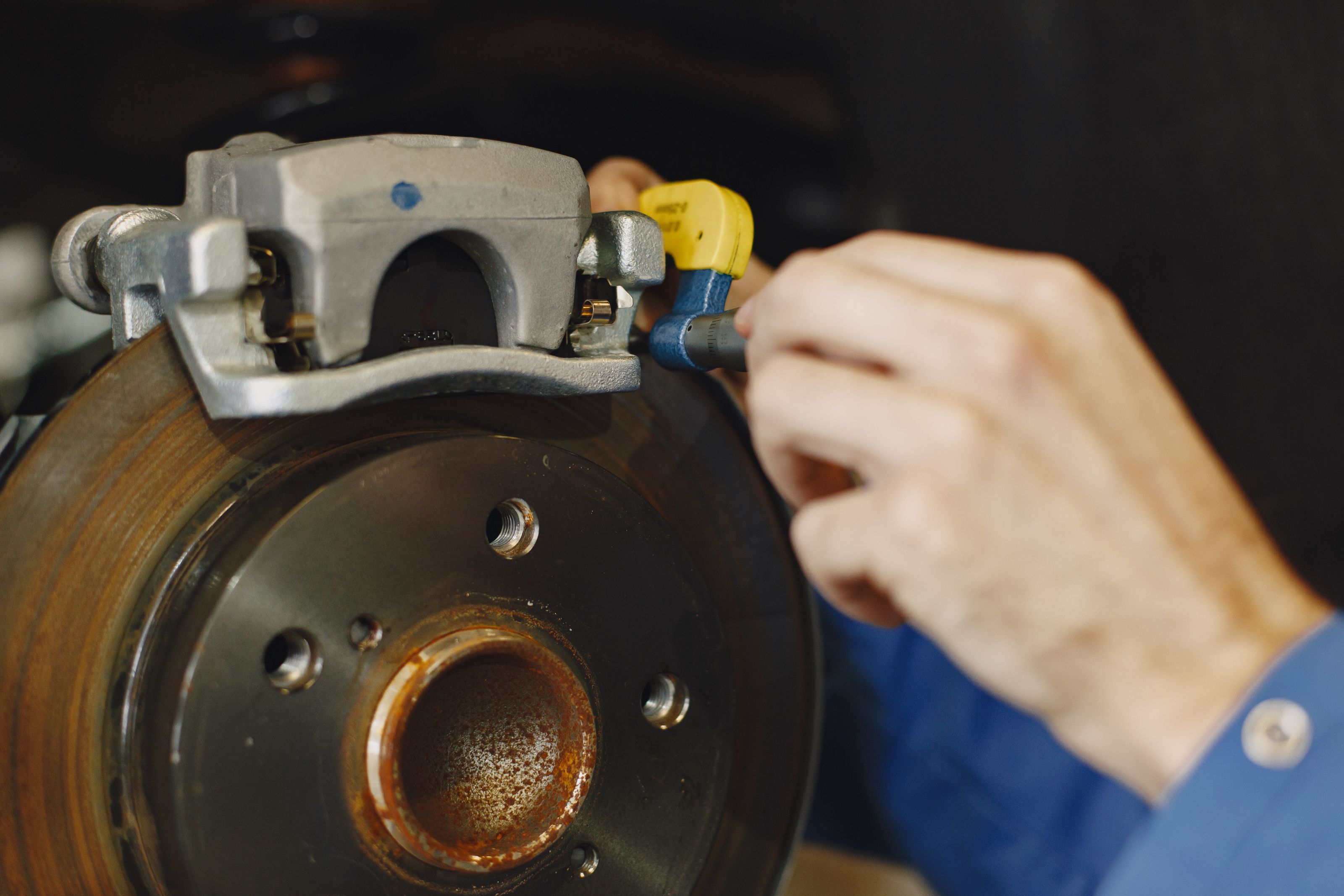
Before deciding on a purchase, if possible, check the brake pads and rotors. Worn pads will appear thin, and the rotors should have a smooth surface; any grooves or warping can affect braking performance. Both components can typically be inspected in a mechanic’s garage, and their condition will provide a clearer picture of future repair needs.
Check underneath the Subaru Outback for any signs of brake fluid leaks. Fluid leaking from the wheel cylinders or brake lines can lead to a reduction in braking efficiency and potential failure. The brake fluid should be clear to amber in color; if it is dark or contaminated, it’s a sign that the fluid may need to be replaced.
Pay attention to the dashboard indicators while driving the Outback. A brake warning light or any related indicators should be taken seriously, as they signal the need for a brake system inspection. If this light is illuminated, it’s wise to further investigate the cause before making a purchase.
During your test drive, observe how quickly the vehicle stops when you apply the brakes. If the Subaru Outback takes longer than expected to stop or pulls to one side, there may be an underlying issue with the brakes or the alignment. This is a crucial aspect not only for safety but also for your overall driving comfort.
Brake parts should generally be replaced every 30,000 to 70,000 miles, depending on driving habits. However, there are signs to indicate when they need attention before then. If you notice any of the warning signs mentioned, such as noise or unusual pedal feel, it’s a good idea to have them inspected sooner rather than later.
Reliable brakes are essential for safe driving; worn or outdated brakes can lead to accidents. When buying a used Subaru Outback, investing time to inspect the brakes can save you a lot of trouble and expense down the line.
It’s recommended to have a professional mechanic inspect any used car you are considering purchasing, especially regarding the crucial brake system. They can provide a detailed assessment that might reveal hidden issues not immediately noticeable during a typical test drive.
Taking the time to assess the brake system before purchasing a used Subaru Outback helps avoid safety risks and unnecessary repairs down the road. Check any VIN free at vinrack.io for recalls, safety ratings, and current asking price to make an informed decision.