
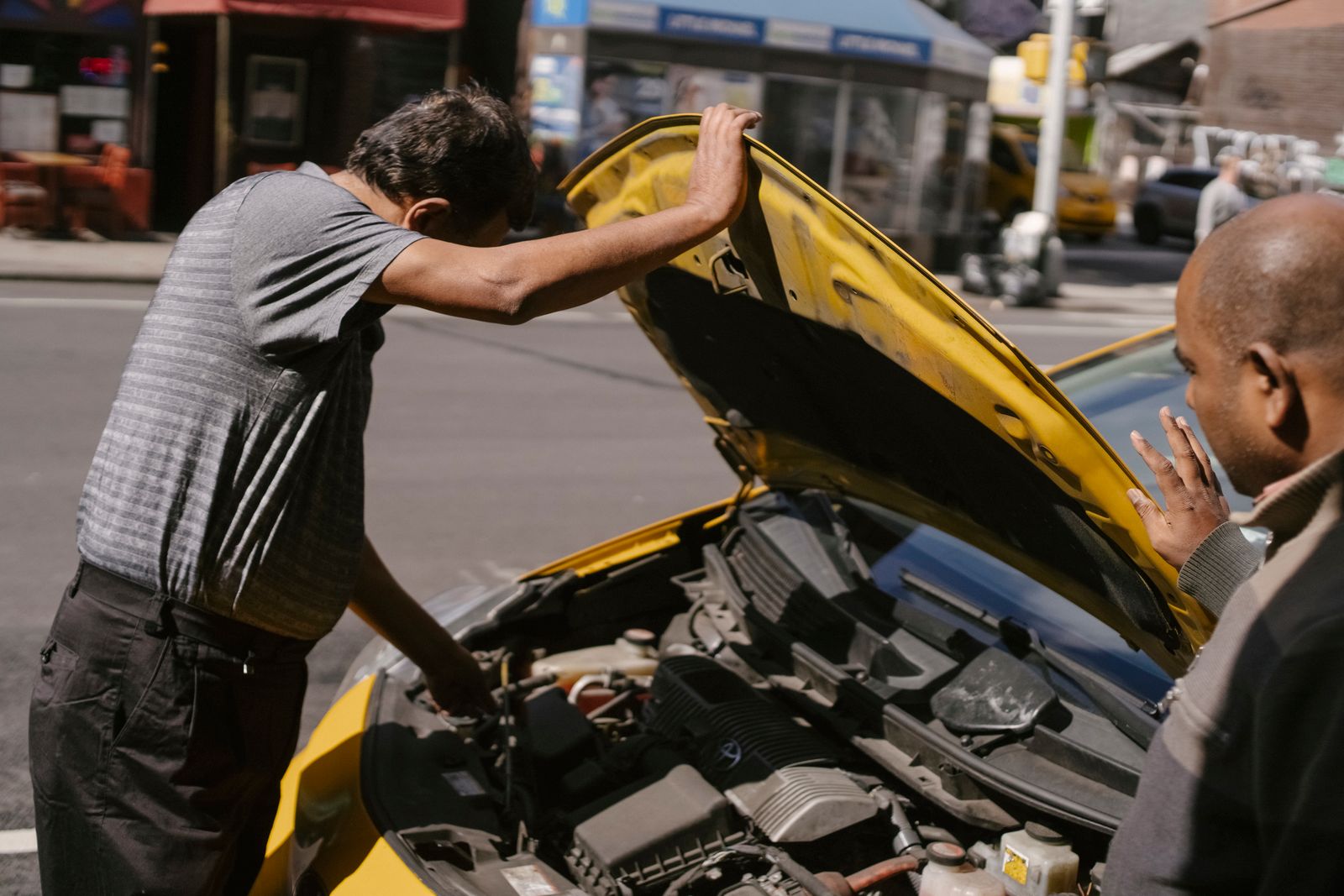
If you're looking to buy a used Toyota Corolla, knowing how to spot potential issues is crucial. Pay particular attention to model years like 2009-2014 for transmission problems and 2011-2019 for chronic oil consumption that can lead to engine failure. A quick inspection can save you from a costly mistake.
What are the common problems with the Toyota Corolla?
Common issues in Toyota Corollas include transmission problems in certain generations, excessive oil consumption, and airbag sensor malfunctions. Checking the vehicle's history can help you identify if it has had these issues before purchasing.
Which Corolla years should you avoid?
The 2009-2014 Corolla models are known for transmission failures, appearing as early as 60,000 miles. The models from 2011-2019 are criticized for high oil consumption, which can be a sign of deeper engine issues. Avoiding these years could save you from significant repairs down the line.
How can you check for transmission issues?
Listen for unusual noises when shifting gears, particularly when the vehicle is cold. Check the transmission fluid color; it should be red or pink. If it's brown or smells burnt, it’s a warning sign. You can also ask for the maintenance history, focusing on any transmission work done.
What signs indicate excessive oil consumption?
Look for blue smoke from the exhaust during startup, check the engine oil level frequently, and observe if the oil warning light comes on. If a previous owner has mentioned changing the oil more frequently than standard intervals, it might indicate ongoing oil consumption issues.
How to check for airbag and other electrical issues?
Check the dashboard for warning lights, particularly the airbag light. If it remains lit, it could signify a malfunction that may prevent the airbags from deploying in an accident. Additionally, test all electrical components, such as power windows and locks, before buying.
What should I look for during a used Corolla inspection?
- Exterior damage: Look for dents, scratches, and signs of repainting.
- Interior condition: Check the seats, dashboard, and all buttons to ensure everything is functional.
- Fluid levels: Inspect fluids for color and smell, including oil, brake fluid, and coolant.
- Tires: Check tread depth and wear patterns for signs of alignment issues.
- Test drive: Pay attention to how the car handles, any strange noises, and acceleration responses.
Are there any recalls I need to worry about?
You can check for recalls at the NHTSA website by entering the VIN or accessible listing URL for free. If there are any safety recalls, verify if they’ve been addressed.
How do you know if a car was flooded?
Look for signs of water damage in the interior, including mold or a musty smell, especially under the mats and in the trunk. Verify the title status for any past flood history through reports.
Is a used Toyota Corolla reliable?
Generally, the Toyota Corolla is known for its reliability. However, checking specific years, like 2015-2019, which are well-reviewed for their performance, is advisable. It’s essential to look for individual car maintenance records to predict future reliability.
Understanding the common issues and potential red flags with a Toyota Corolla can help ensure you choose a reliable vehicle. A free VIN check at Vinrack will provide you with invaluable information like recalls and safety ratings before you finalize your purchase. For only $4.99, you can get a Full Report on any specific vehicle to validate its history and condition.


