When considering a used 2020 Toyota RAV4, it is crucial to conduct a thorough inspection to ensure you are making a sound purchase. Focus on the vehicle's exterior and interior condition, mechanical components, and any potential recall issues before finalizing your decision.
What Are the Key Exterior Inspection Points for a 2020 RAV4?
Inspect the body for any dents, scratches, or rust, which may indicate previous accidents or poor maintenance. Check the paint quality; mismatched colors can signal a repair job. Pay attention to the condition of the tires; they should have even wear and sufficient tread depth for safety. A quick tread depth check can be done using the penny test—insert a penny into the tire tread. If you see all of Lincoln's head, it’s time to consider new tires.
How Can I Inspect the Interior of the 2020 RAV4?
Check the upholstery for wear, tears, and any unpleasant odors, which can indicate past flooding or smoking. Test all electronic features, including the infotainment system, air conditioning, and power windows. Ensure that the dashboard warning lights illuminate when starting the car and turn off properly; any persistent warning lights may require further investigation.
What Should I Check Under the Hood of a Used RAV4?
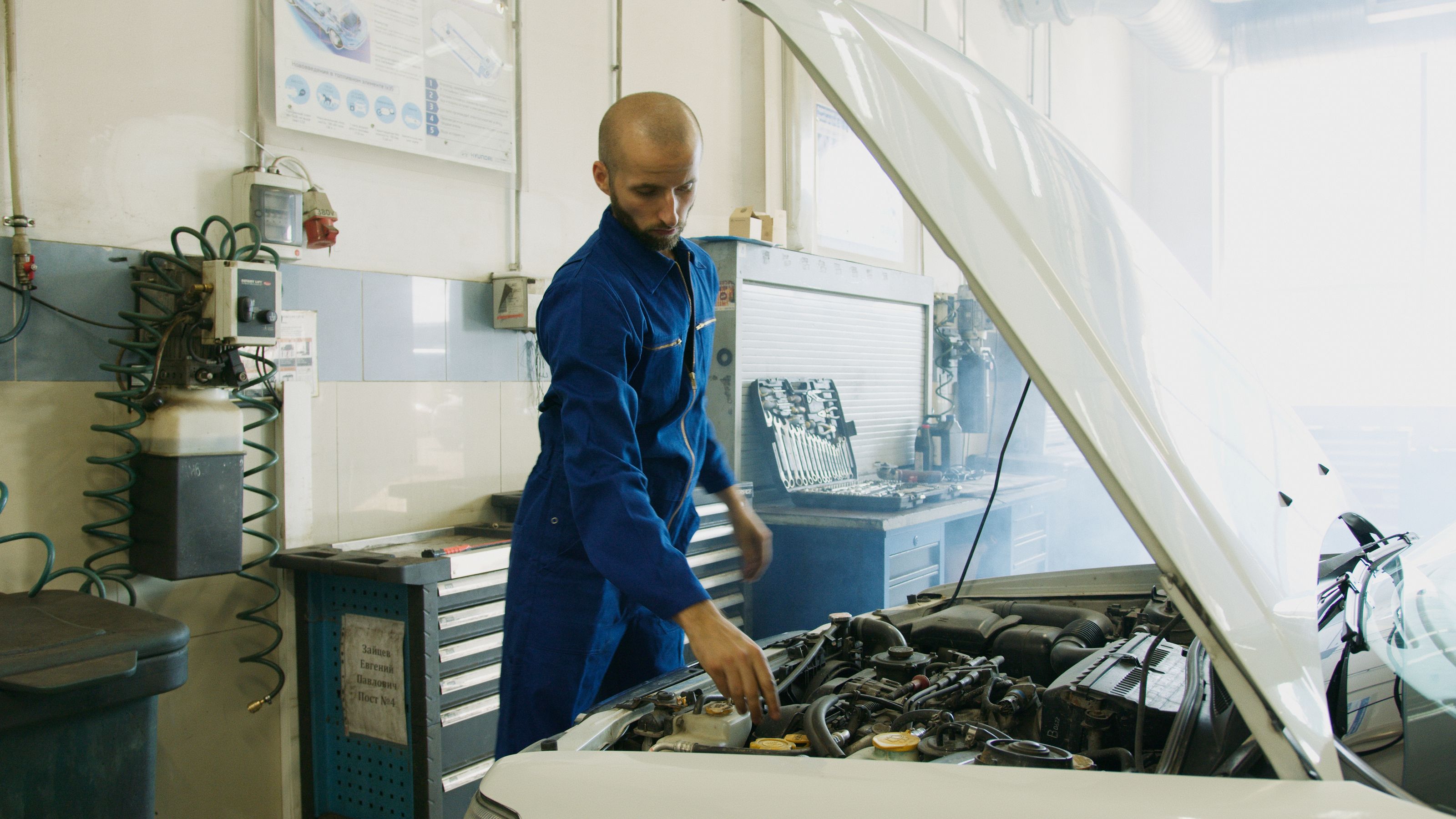
Under the hood, start by checking the oil level and its condition. The oil should be a clear brown color; if it appears dirty or has a burnt smell, it indicates neglect. Also, inspect the coolant levels and look for leaks around the hoses. Look at the battery condition; corrosion on terminals is a red flag.
What Are Common Mechanical Issues to Look Out For?
The 2020 Toyota RAV4 has a generally solid reputation for reliability, but common issues can still arise. Some owners have reported issues with the transmission, such as rough shifting or hesitant acceleration, particularly in the 8-speed automatic. Additionally, pay attention to any unusual noises when you start the vehicle, as this can indicate a problem with the engine or exhaust system.
How Do I Check for Open Recalls on a 2020 RAV4?
You can check for open recalls using the National Highway Traffic Safety Administration (NHTSA) website, where you can enter the Vehicle Identification Number (VIN). The NHTSA provides detailed information on any safety recalls that have not yet been addressed. If your potential purchase has open recalls, you should negotiate with the seller to ensure they are taken care of before completing the sale.
What Should I Know About the Vehicle's Title?
Assessing the vehicle’s title is crucial. Look for any branding like "salvage" or "rebuilt" that might affect the value and insurability of the vehicle. The title can provide insight into whether the vehicle has been reported as totaled; for this, consult the title brand regulations in your state.
How Do I Verify the RAV4’s Mileage is Real?
To ensure that the mileage shown on the odometer is accurate, cross-check it with maintenance records and Carfax or VinRack reports. A vehicle with exceptionally low mileage may have had odometer tampering, especially if it is more than a few years old. Look for wear on the pedals, steering wheel, and seats as well; excessive wear can indicate that the mileage has been rolled back.
What are the Best Questions to Ask the Seller?
When buying a used 2020 Toyota RAV4, ask the seller about the vehicle's service history and whether they have performed any repairs. Inquire about reasons for selling the car, and if they are the original owner. Understanding the car’s history and the seller’s intent can provide valuable insights into the vehicle's condition.
Is the Price Fair for a Used 2020 Toyota RAV4?
To determine if the asking price is fair, compare it to similar listings using sites like Kelley Blue Book and Edmunds. Factors influencing the price include mileage, condition, options, and local market demand. Knowing the average price based on these aspects can strengthen your negotiating position.
Where Can I Get More Information Before I Buy?
Utilize services like Vinrack for a free VIN check, which will provide insights into recalls, safety ratings, and market value. For just $4.99, you can also get a Full Report that goes deeper into the vehicle's history. This can help ensure that you make an informed decision without spending a fortune on history reports.
Before proceeding with your purchase, be sure to check any VIN for free at vinrack.io, where you can learn about recalls, title brands, safety ratings, and market positioning before paying anyone anything. Performing due diligence is vital in ensuring that you have all the information you need before making such an important purchase.